
Independence & Self-Care Skills.


Helping Children Build Independence in Everyday Life.
When children experience challenges with independence, it can impact confidence, participation, and family routines. Occupational therapy helps identify what is contributing to these challenges and supports children to build practical skills for everyday life.
Occupational therapy focuses on independence in daily self-care and routine-based activities.
What We Support.
-
Developing independence in self-care is an important part of a child’s daily life.
We support Children with:
Dressing
Toileting independence
Hygiene routines (washing hands, bathing, brushing teeth)
Building confidence in self-care tasks
Sleep
-
Mealtimes can be challenging for some children due to motor, sensory, or coordination differences.
We support children with:
Using Cutlery
Sensory challenges
Feeding independence
Mealtime routines
-
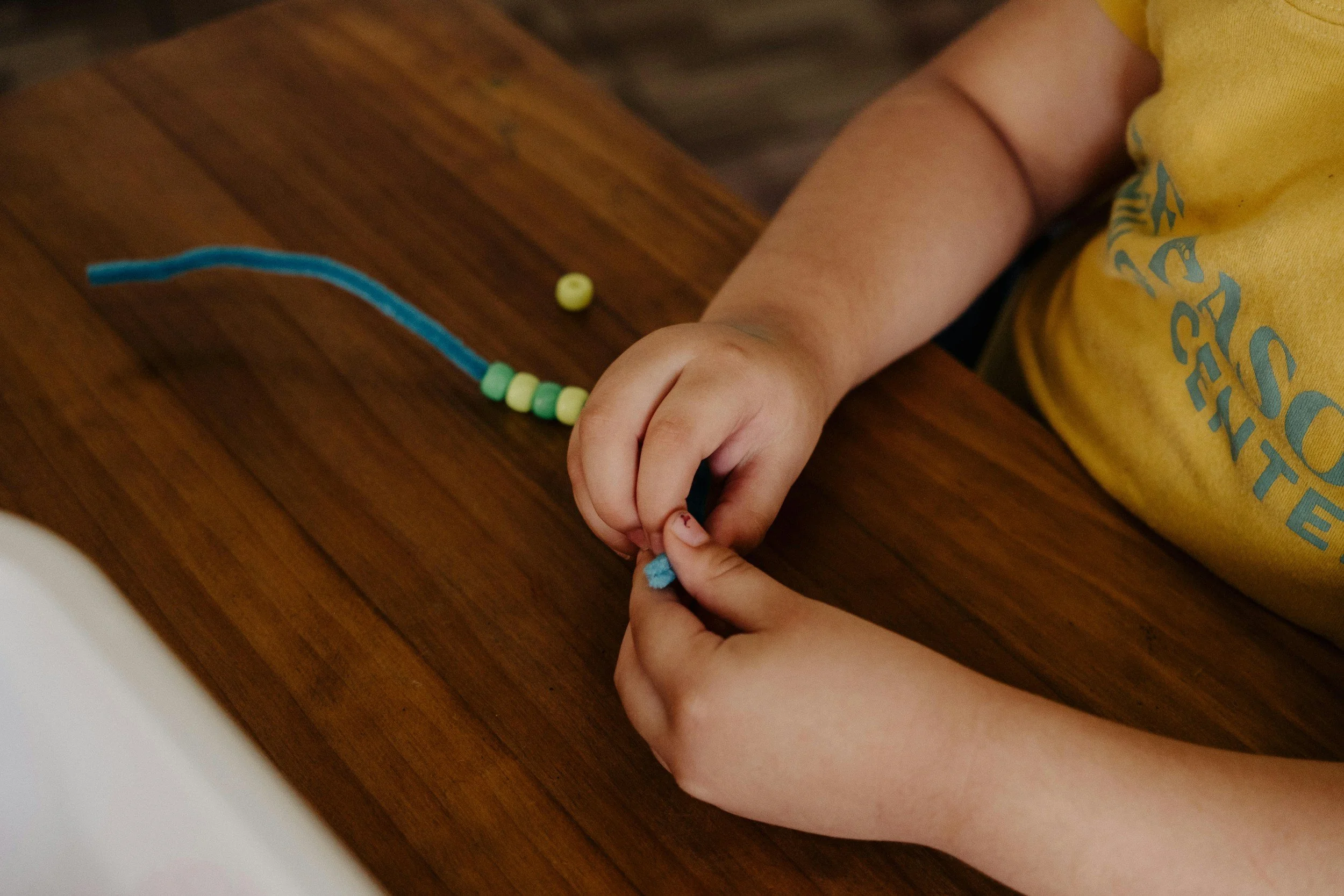
Fine motor skills are important for everyday independence and school participation.
We support children with:
Pencil control and handwriting readiness
Scissor and tool use
hand strength and coordination
Pre-writing and school readiness skills
-
Daily routines can feel overwhelming for some children.
We support children with:
Morning and bedtime routines
Following multistep instructions
Organising belongings and tasks
Building consistency and independence in routines
Building foundations for school readiness.
Independence skills play an important role in preparing for school. This includes managing self-care tasks, routines, and fine motor skills that support participation in the classroom and learning environment.

We’re here to help.
If your child is finding everyday routines or independence challenging, occupational therapy can help build the skills and confidence needed for daily life.