
School Readiness & Preparing for School Transitions

Starting school is a big milestone for children and families. It can be an exciting time, but also a period of uncertainty if a child is finding certain skills or routines challenging. School readiness is not just about academic ability — it involves a range of everyday skills that support a child to feel confident, regulated, and able to participate in a structured learning environment.
Occupational therapy can support children and families to prepare for this transition in a way that builds confidence and reduces stress.
What is school readiness?
School readiness refers to the skills a child needs to participate in a school or early learning environment. These skills are often less about academic knowledge and more about the ability to manage routines, emotions, attention, and social expectations.
Every child develops at their own pace, and readiness can look different for each individual.
Key skills that support a smooth transition to school
There are several important areas that support a child’s ability to transition into school successfully.
Independence in daily routines
Children benefit from being able to manage basic self-care tasks such as dressing, toileting, eating, and organising their belongings. These skills help build confidence and reduce reliance on adult support during the school day.
Emotional regulation
Starting school involves new environments, expectations, and routines. Being able to manage big emotions, cope with change, and recover from frustration helps children feel more secure and engaged.
Attention and engagement
In a classroom, children are expected to follow instructions, shift between tasks, and maintain attention for periods of time. Developing these skills supports participation in learning activities.
Social participation
School involves interacting with peers, sharing space, and engaging in group activities. Building confidence in play and social interactions supports connection and inclusion.
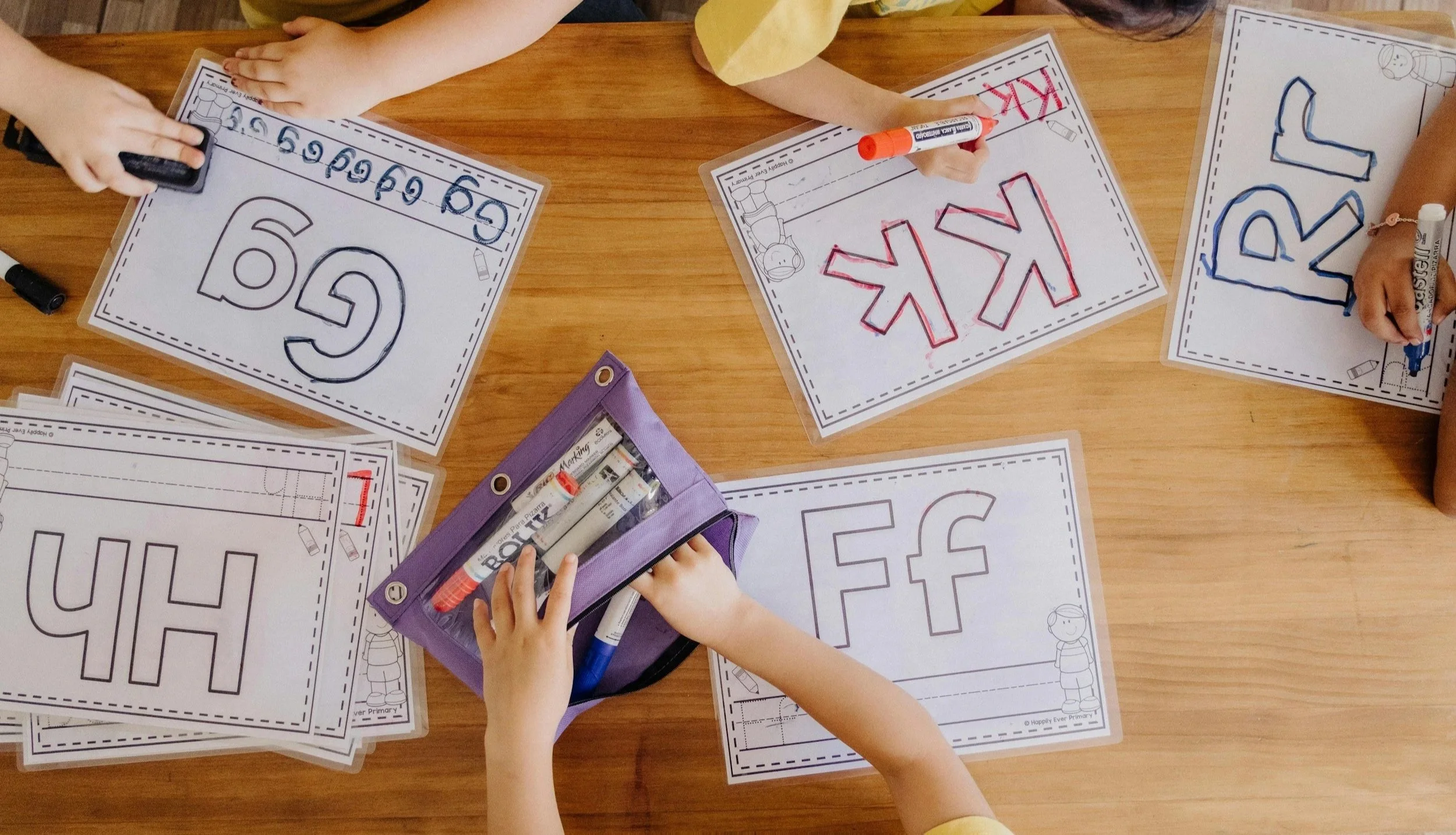
Fine motor and pre-writing skills
Skills such as pencil control, drawing, cutting, and manipulating small objects support participation in classroom learning tasks.
Common challenges during school transitions
Some children may find the transition to school more challenging. This does not mean they are not ready — it may mean they need extra support to build specific skills.
Common challenges may include:
Difficulty separating from caregivers
Becoming overwhelmed in busy environments
Trouble following routines or instructions
Fatigue or emotional outbursts after school
Difficulty engaging in group learning or play
How occupational therapy supports school readiness
Occupational therapy focuses on helping children develop the underlying skills needed for participation in school environments. Support is always individualised and based on each child’s strengths and needs.
This may include:
Supporting emotional regulation and coping strategies
Developing attention and engagement skills
Supporting sensory processing needs in busy environments
Building confidence in social and play-based interactions
OT also works with families to provide practical strategies that can be used at home to support consistency and confidence.
Preparing for transitions into school
Transitioning into school is a process, not a single moment. Preparation can begin well before the first day and often continues into the early weeks of Term 1 as children adjust to new routines, expectations, and environments.
In Queensland schools, many children benefit from structured transition supports that help them become familiar with the school setting and reduce uncertainty.
Helpful supports may include:
Attending school transition or orientation sessions (often offered in Term 4)
Visiting the classroom, playground, and key school spaces before starting
Meeting teachers and becoming familiar with routines and expectations
Using visual schedules or routines provided by the school
Creating or using social stories to explain what school will look like (some schools can provide these, or they can be made collaboratively with families and therapists)
Reading books about starting school or separation, such as The Invisible String, to support emotional understanding and connection
Practising drop-off routines to support smoother separation from caregivers
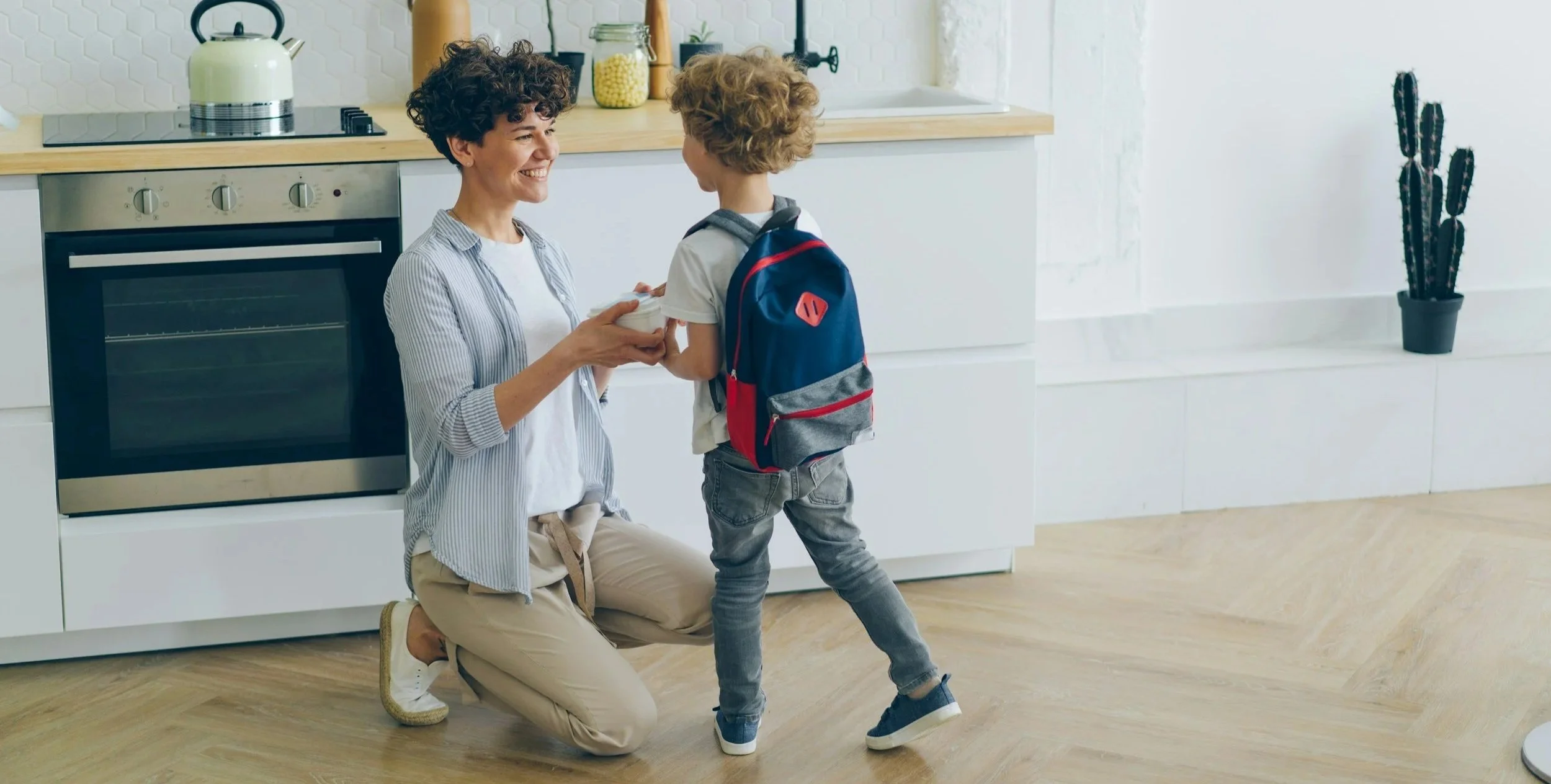
Gradually building independence with morning routines such as packing bags, lunchboxes, and getting dressed
Supporting neurodivergent children
Children who are neurodivergent, including those with ADHD, autism, or sensory processing differences, may experience school transitions differently. They may benefit from additional supports around sensory regulation, predictability, and structured routines.
A strengths-based, neuroaffirming approach focuses on understanding how a child experiences the world and building supports around their individual needs rather than expecting them to fit a single model of readiness.
Final thoughts
School readiness is not about being “perfectly prepared” — it is about building the skills that allow a child to feel safe, supported, and able to participate in their learning environment.
With the right supports in place, children can build confidence and develop the foundations they need for a positive school experience.
We’re here to help
If you’re preparing your child for school or navigating a transition and would like support, occupational therapy can help build practical skills and strategies to support a smoother, more confident start to school.