
Sleep in Children: Why It Matters and How to Support Healthy Sleep
How Does Sleep Work?
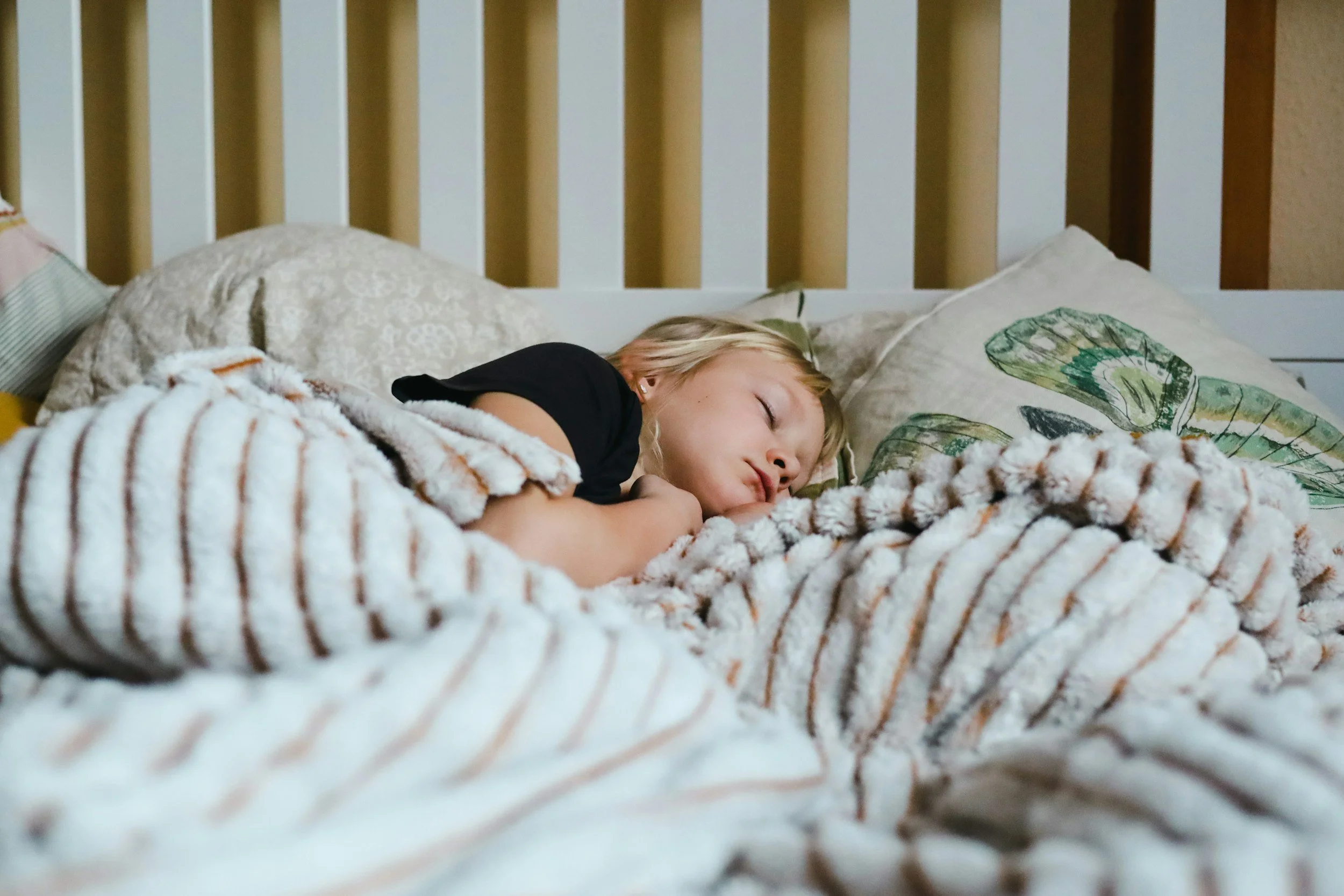
Many people think of sleep as simply "switching off," but sleep is actually an active process. Throughout the night, the brain cycles through different stages of sleep, each with its own important role in helping children grow, learn and recover.
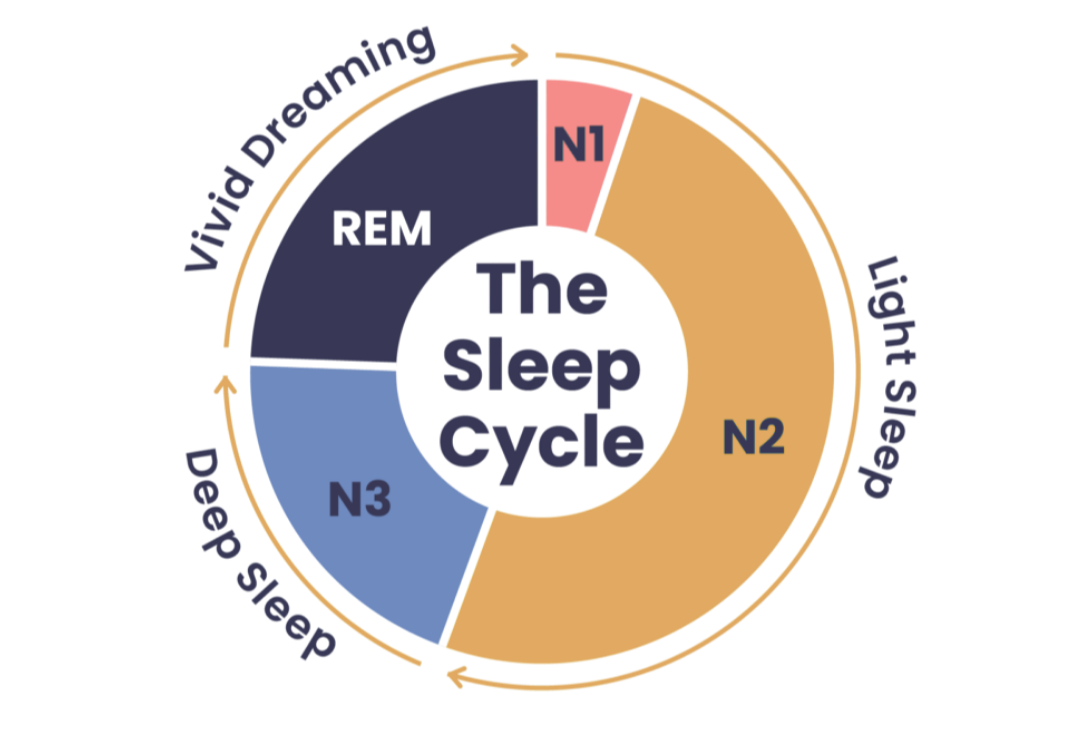
Sleep consists of two main types:
Non-Rapid Eye Movement (NREM) Sleep
NREM sleep includes light sleep and deep sleep. During the deeper stages, the body focuses on physical restoration, tissue repair, immune function and growth.
Rapid Eye Movement (REM) Sleep
REM sleep is when most dreaming occurs and plays an important role in brain development, emotional processing and learning.
Children move through these stages several times each night. In younger children, each sleep cycle lasts approximately 60–90 minutes before beginning again.
Research also shows that important brain activity occurs during sleep. During deep sleep, specialised brain activity called sleep spindles helps strengthen newly learned information and supports memory consolidation—essentially helping the brain organise and store what children have learned throughout the day.
Adapted from: Sleep Foundation - Stages of Sleep
Two Things That Help Us Sleep
Healthy sleep depends on two biological systems working together.
1. Sleep Pressure
Sleep pressure is the body's natural drive for sleep. It gradually builds the longer we stay awake.
Think of it like a battery that slowly fills throughout the day. As children play, learn, move their bodies and participate in everyday activities, sleep pressure increases, making them feel ready for sleep at bedtime.
When children sleep, that pressure reduces, allowing them to wake refreshed.
If sleep pressure hasn't had enough time to build—for example after long or late naps—it may be more difficult to fall asleep at night.
2. Circadian Rhythm (Our Body Clock)
Our circadian rhythm is our body's internal 24-hour clock that tells us when to feel awake and when to feel sleepy.
This body clock is strongly influenced by:
Natural daylight
Darkness
Consistent sleep and wake times
Morning sunlight helps reinforce the body's natural rhythm, while darkness signals the release of melatonin, preparing the body for sleep.
Healthy sleep occurs when sleep pressure and the circadian rhythm work together.
Why Is Sleep So Important?
Sleep supports almost every area of a child's development.
Healthy sleep contributes to:
Brain development
Self-regulation
Physical growth
Immune system function
Overall health and wellbeing
Rather than focusing only on the number of hours a child sleeps, it is also important to consider sleep quality, consistency and whether they wake feeling rested.
What Can Impact a Child's Sleep?
Sleep is influenced by many factors, and often several contribute at the same time.
Medical Factors
Medical conditions that may impact sleep include:
Obstructive sleep apnoea
Asthma
Reflux
Allergies
Pain or discomfort
Some medications
If a medical cause is suspected, your GP or paediatrician should be consulted.
Developmental Differences
Children with developmental disabilities or neurodevelopmental differences often experience sleep difficulties more frequently than their peers.
Sleep may be affected by:
Sensory processing differences
Communication differences
Emotional regulation
Medical conditions
Daily routines
Emotional Wellbeing
Stress, anxiety, worries and major life changes can all affect a child's ability to fall asleep or stay asleep.
Lifestyle and Daily Routines
Daily habits also influence sleep, including:
Irregular bedtimes
Inconsistent wake times
Excessive screen use before bed
Limited physical activity during the day
The Sleep Environment
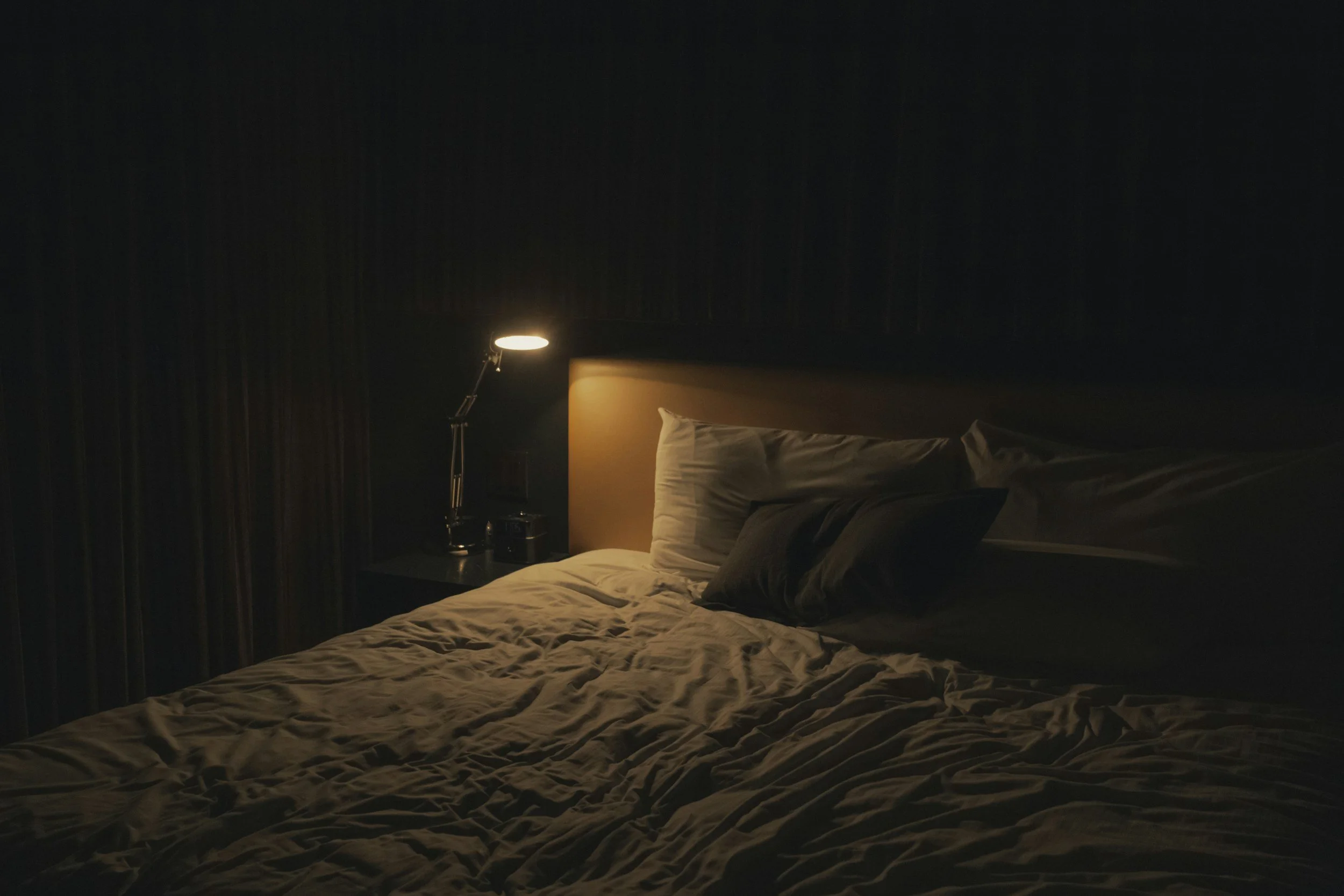
The bedroom environment matters.
Things that can influence sleep include:
Lighting
Noise
Temperature
Comfort
Sensory preferences
Every child has different sensory needs, so the ideal sleep environment will look different for each child.
Positive Sleep Practices
Healthy sleep habits (sometimes called sleep hygiene) help support quality sleep over time. Every child is different, so strategies should be individualised.
Keep a Consistent Routine
Following similar calming activities in the same order each evening helps prepare the brain for sleep.
Keep Regular Sleep and Wake Times
Going to bed and waking at similar times each day helps regulate the body's internal clock.
Reduce Screens Before Bed
Electronic devices emit light that can interfere with the body's preparation for sleep. Reducing screen use before bedtime allows the body to naturally prepare for sleep (recommended time is no screens 3 hours before bed).
Encourage Physical Activity During the Day
Movement helps build healthy sleep pressure. Children benefit from plenty of active play throughout the day while gradually transitioning to quieter activities before bedtime.
Spend Time Outdoors
Natural daylight helps regulate the circadian rhythm and supports healthy sleep-wake cycles.
Support Relaxation
Calming activities before bed may include:
Reading together
Gentle music
Breathing exercises
Quiet play
Relaxation strategies
Consider the Sensory Environment
Some children benefit from:
A cooler bedroom
Reduced lighting
Less background noise
Comfortable bedding
Individual sensory supports
The best sleep environment is one that meets the child's individual needs.

Example of bedtime routine visual
When Should You Seek Further Assessment?
Occasional sleep difficulties are common.
However, further assessment is recommended if your child:
Snores loudly or regularly.
Has pauses in breathing, gasping or choking during sleep.
Is very sleepy during the day despite enough time in bed.
Frequently wakes overnight.
Has persistent difficulty falling asleep or staying asleep.
Experiences sleep difficulties that significantly impact family life.
Shows changes in learning, behaviour, attention or mood that may be related to poor sleep.
Obstructive sleep apnoea is one example of a medical condition that requires medical assessment and treatment. Sleep disorders are recognised medical conditions and should not be managed through behavioural strategies alone.
How Can an Occupational Therapist Help?
Occupational therapists take a holistic approach to sleep by considering the child's routines, sensory processing, emotional regulation, environment and daily occupations.
An OT may help by:
Identifying factors contributing to sleep difficulties.
Establishing bedtime routines.
Recommending sensory and environmental supports.
Supporting emotional regulation and relaxation skills.
Working collaboratively with your GP, paediatrician and other health professionals when further assessment is needed.
Because every child is unique, there is no one-size-fits-all approach to improving sleep.
Ready to learn more?
Get in touch with Bright Path Paediatric Therapy to discuss how occupational therapy can support your child's sleep and overall wellbeing.
References
American Psychiatric Association. (2013). Sleep-wake disorders. In Diagnostic and statistical manual of mental disorders (5th ed.). https://doi.org/10.1176/appi.books.9780890425596.dsm02
Antony, J. W., Schönauer, M., Staresina, B. P., & Cairney, S. A. (2019). Sleep spindles and memory reprocessing. Trends in Neurosciences, 42(1), 1–3. https://doi.org/10.1016/j.tins.2018.09.012
El Shakankiry, H. M. (2011). Sleep physiology and sleep disorders in childhood. Nature and Science of Sleep, 3, 101–114. https://doi.org/10.2147/NSS.S22839
National Institute of Neurological Disorders and Stroke. (2025, February 25). Brain Basics: Understanding Sleep. https://www.ninds.nih.gov/health-information/public-education/brain-basics/brain-basics-understanding-sleep
O'Connell, A., & Vannan, K. (2008). Sleepwise: Addressing sleep disturbance in young children with developmental delay. Australian Occupational Therapy Journal, 55, 212–214. https://doi.org/10.1111/j.1440-1630.2007.00717.x
Owens, J. A., Spirito, A., & McGuinn, M. (2000). The Children's Sleep Habits Questionnaire (CSHQ): Psychometric properties of a survey instrument for school-aged children. Sleep, 23(8), 1043–1051.
Patel, A. K., Reddy, V., Shumway, K. R., & Araujo, J. F. (2024). Physiology, sleep stages. In StatPearls. StatPearls Publishing.
Raising Children Network. (2023). Sleep & sleep cycles: Babies, children & teens – About sleep. https://raisingchildren.net.au/newborns/sleep/understanding-sleep/about-sleep
Royal Children's Hospital. (2025, July). Obstructive Sleep Apnoea (OSA). https://www.rch.org.au/kidsinfo/fact_sheets/childhood_obstructive_sleep_apnoea_osa/
Royal Children's Hospital. (2025, July). Sleep Problems – Children and Teens. https://www.rch.org.au/kidsinfo/fact_sheets/Bedtime_problems/
World Health Organization. (2019). International statistical classification of diseases and related health problems (11th ed.). https://icd.who.int/